You know, navigating healthcare billing can feel like a puzzle, but one piece is key: ICD-10. If you’re in the medical field, you know it’s all about accurate documentation of diagnoses and procedures. But why does it matter for billing? Simply put, understanding icd 10 medical billing services is crucial to getting paid right and on time. Whether you’re a provider or managing billing, ICD-10 keeps everything running smoothly. Let’s break down why ICD-10 is essential, how it works, and what it means for your practice. Keep reading—you won’t want to miss this!
What is ICD-10 Medical Billing?
ICD-10 medical billing involves the use of a standardized coding system that identifies and classifies diseases, injuries, and other health conditions. These codes are used by healthcare providers to communicate patient diagnoses and treatment details to insurance companies, ensuring that the provider is reimbursed accurately for the services rendered.
Why is ICD-10 Important for Medical Billing?
ICD-10 codes are crucial for several reasons:
- Accurate Diagnosis Reporting: These codes help in identifying specific medical conditions, ensuring that treatment is aligned with the diagnosis.
- Insurance Reimbursement: Insurance companies use ICD-10 codes to determine the amount of reimbursement healthcare providers will receive for a given treatment.
- Compliance: Proper coding ensures healthcare providers comply with industry regulations, including federal and state mandates.
- Data Collection: ICD-10 codes contribute to the collection of health data used for research, planning, and improving healthcare services.
Key Components of ICD-10 Medical Billing Services

Credit: bryantstratton.edu
The process of ICD-10 medical billing is multifaceted, involving several stages that ensure the correct diagnosis codes are applied to claims. These stages include:
A. Diagnosis and Documentation
The first step in the ICD-10 billing process is thorough documentation. The healthcare provider must accurately document the patient’s symptoms, diagnosis, and treatment plan. This documentation is the foundation for assigning the correct ICD-10 codes.
B. Code Assignment
Once the diagnosis is documented, the next step is to assign the appropriate ICD-10 code(s). There are specific codes for nearly every medical condition, ranging from peripheral artery disease (PAD) to wound care. It’s essential to match the diagnosis with the correct ICD-10 code for PAD or other conditions to avoid claim denials. For instance:
- ICD-10 Code for PAD (Peripheral Artery Disease): I70.0
- The ICD-10 Code for Weakness: R53.1
- ICD-10 Code for Confusion: R41.82
- ICD-10 Code for Fever: R50.9
C. Claim Submission
Once the ICD-10 codes are assigned, the next step is to submit the claim to the insurance company. This step involves using ICD-10 medical billing software to send the claim electronically to insurance providers. It’s crucial that the codes are accurate to avoid delays or denials in payments.
D. Payment and Follow-up
Once the claim is processed by the insurance company, healthcare providers will receive reimbursement based on the ICD-10 codes submitted. If there are discrepancies or denials, follow-up is necessary to correct the claims.
Benefits of ICD-10 Medical Billing Services
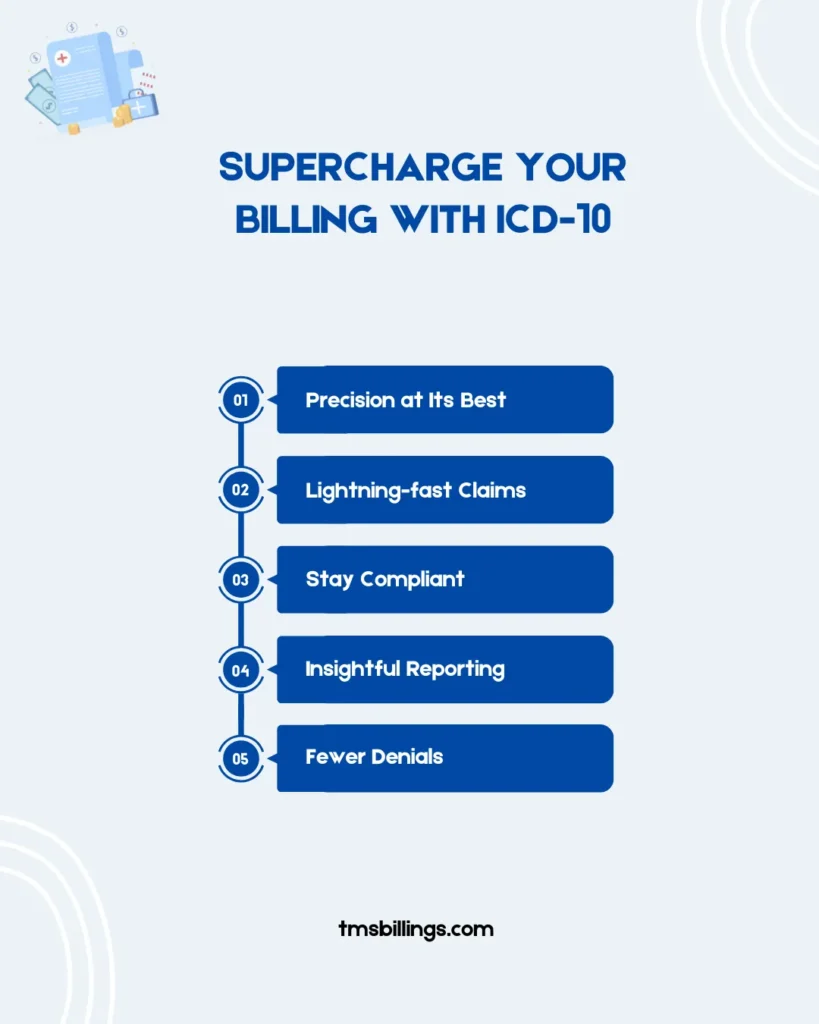
There are several benefits to using ICD 10 medical billing services:
i. Improved Accuracy
ICD-10 codes provide greater specificity, leading to more accurate billing. By using more detailed codes, healthcare providers can avoid errors that may result in claim denials.
ii. Faster Claims Processing
With precise codes, claims can be processed faster, reducing the time it takes for healthcare providers to receive payments.
iii. Enhanced Reporting and Analytics
ICD-10 codes enable better reporting and data analytics. Healthcare providers can generate custom reports to analyze trends in diagnoses, treatments, and patient outcomes.
For instance, ICD-10 coding for confusion helps healthcare providers track patients with confusion, allowing them to better manage treatment plans.
iv. Better Communication
ICD-10 codes improve communication between healthcare providers and insurance companies. By using a standardized system, there’s less chance for misunderstandings, and claims are more likely to be accepted.
v. Compliance with Regulations
The healthcare industry is highly regulated. By using ICD-10 medical billing services, healthcare providers ensure they comply with both federal and state healthcare regulations, including HIPAA (Health Insurance Portability and Accountability Act) and other privacy laws.
Common ICD-10 Codes for Specific Conditions
Credit: revenuees.com
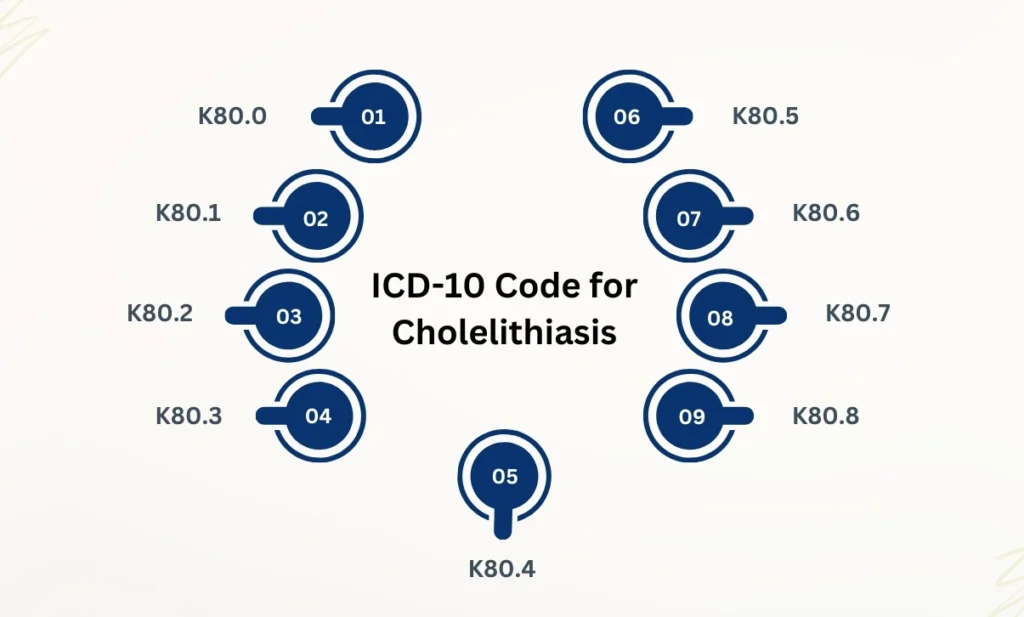
ICD-10 codes are designed to cover a wide range of conditions. Here are some common icd 10 medical billing services codes for specific conditions:
– Peripheral Artery Disease (PAD)
PAD is a common circulatory problem where narrowed arteries reduce blood flow to the limbs. The ICD-10 code for PAD is I70.0.
– Weakness
Weakness is a common symptom that can be associated with a variety of conditions. The icd 10 medical billing services code for weakness is R53.1.
– Confusion
Confusion can be a symptom of many conditions. The ICD-10 code for confusion is R41.82. For an ICD-10 code for fever, use R50.9.
– Wound Care
Wound care involves the treatment of injuries or conditions that require medical intervention. The ICD-10 code for wound care varies depending on the type of wound, such as puncture wounds (S61.0).
– Circulatory System Issues
Conditions related to the circulatory system, such as arteries of the extremities, are assigned specific codes in the ICD-10 system. For instance, peripheral arterial disease falls under the I70 series.
The Role of ICD-10 Medical Billing Software
To manage ICD-10 medical billing effectively, healthcare providers often rely on ICD-10 medical billing software. This software helps:
- Streamline Coding: Helps ensure accurate and quick coding by matching diagnoses with the correct ICD-10 codes.
- Increase Efficiency: Automates processes like claim submission and tracking.
- Improve Accuracy: Minimizes human error in coding and billing, reducing the chances of claim rejections or denials.
- Generate Custom Reports: Providers can use the software to generate custom reports to track patient data, treatment outcomes, and billing statistics.
Learn more about how ICD-10 medical billing services can be managed efficiently with the help of TMS Billing’s medical billing service.
Why Choose Professional ICD-10 Medical Billing Services?

Credit: mfsbilling.com
Handling icd 10 medical billing services on your own can be overwhelming, especially when dealing with the complexities of medical coding and insurance claims. This is where professional medical billing services come in. By outsourcing your billing needs to a team of experts, you can:
- Ensure that all icd 10 medical billing services codes are correctly applied
- Avoid claim denials and delays in payment
- Free up time to focus on patient care rather than billing
- Stay up-to-date with the latest coding changes and regulations
TMS Billing also offers credentialing services, ensuring that healthcare providers are properly credentialed to receive payments from insurance companies, further streamlining the billing process.
FAQ’s
Here’s a quick look at some frequently asked questions about ICD-10 medical billing:
What is ICD-10 medical billing?
It’s using standardized codes to document diagnoses and procedures for billing.
Why are ICD-10 medical billing services codes important?
They ensure accurate diagnoses, proper reimbursement, and compliance with regulations.
How can ICD-10 billing services help my practice?
They boost accuracy, reduce denials, speed up payments, and keep you compliant.
What’s the difference between ICD-10 and CPT codes?
ICD-10 codes are for diagnoses; CPT codes are for procedures or services.
How does ICD-10 billing software help?
It streamlines coding, boosts accuracy, and speeds up claim submissions.
Final Word
In a nutshell, ICD-10 medical billing is the backbone of efficient, accurate, and timely healthcare billing. With the right professional services and software, you can ensure your billing process runs smoothly, stays compliant, and gets you paid faster—because in healthcare, precision pays off!