
One of the biggest advantages technology has given us is accuracy. Today, the digital world is reshaping everything—healthcare, education, business, and of course, medical billing. In fact, technology isn’t just helpful anymore; it’s becoming essential. From translating complex records to keeping patient data organized, tech has made the entire billing process far more seamless. And this is exactly where EHR in medical billing comes in. These systems don’t just store information—they help decode it, protect it, and keep everything connected. If you’re a healthcare provider, understanding EHR (Electronic Health Record) isn’t just useful…it’s necessary.
Curious to know why it matters and how it works? Let’s dive in.
What Is an EHR, Really?
Credit: aamc.org
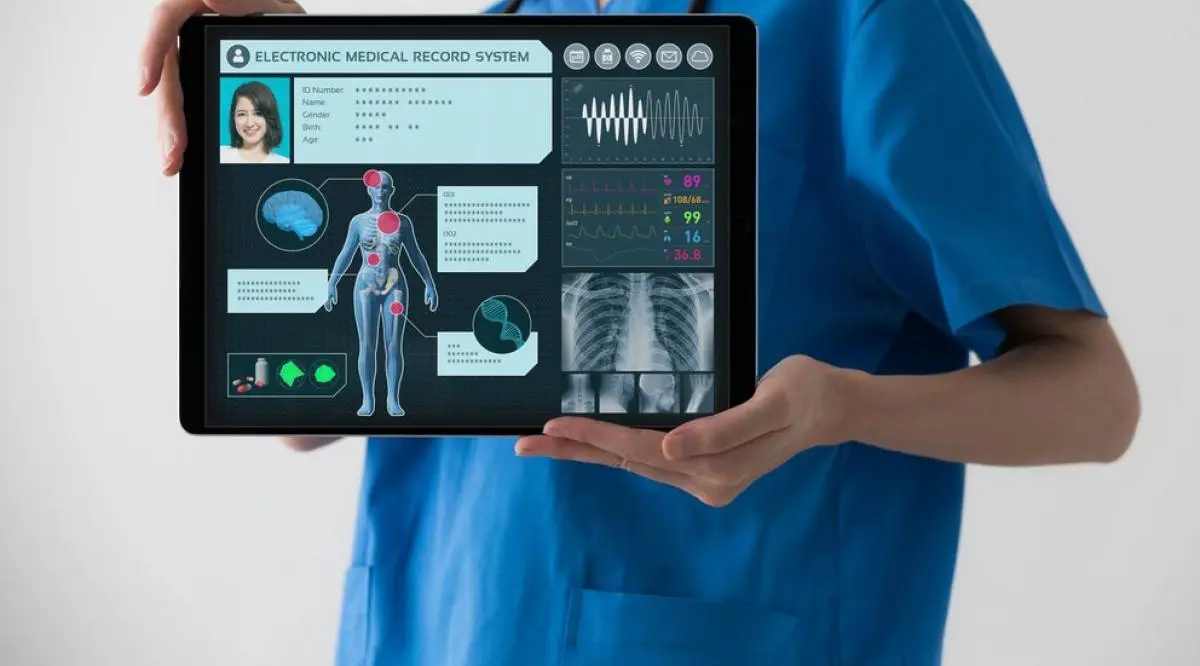
Many people still wonder, “What does EHR stand for in medical billing?” EHR stands for Electronic Health Record, which is a digital version of everything that used to sit inside a patient’s paper chart. Instead of flipping through pages, you get all the essential medical information in one organized place.
This includes:
- Patient demographics
- Past medical history
- Diagnoses and procedures
- Provider notes
- Medications
- Lab results
- Insurance information
- Treatment plans
You can think of an EHR as the “source of truth” for all patient data across your health system.
When this system works together with your billing tools through medical software integration, you don’t have to retype or recheck information. It transfers automatically, and that’s where accuracy starts to improve quickly.
Why Accuracy Matters So Much in Billing and Coding

Credit: unislink.com
Accuracy isn’t just about being correct. It’s tied directly to revenue and patient trust.
When the billing process is accurate:
- Claims get paid faster
- Fewer claims get denied
- Providers avoid compliance issues
- Coders have less backtracking to do
- Patients receive clearer, more reliable statements
When things are inaccurate, everything slows down. Payments get delayed, errors pile up, and eventually, cash flow suffers.
Integrated EMR and billing systems help reduce those errors before they become bigger problems.
How EHR Integration Makes Billing More Accurate
Let’s break things down in a way that feels simple and practical.
Clear and Complete Clinical Notes

Credit: mobius.md
Providers document directly inside the EHR, which becomes part of the electronic medical record (EMR). There’s no messy handwriting, no missing files, and no guessing what something means.
This improves:
- Accuracy of diagnoses
- Clarity of documentation
- Connection between patient care and coding
- Supportive information for claims
Good documentation inside your electronic medical records leads to cleaner billing down the line.
Helpful Code Suggestions
Many EHRs include tools that scan provider notes and suggest possible codes. This supports coders without replacing them.
These tools help prevent:
- Undercoding in billing
- Missing documentation
- Incorrect procedure codes
This connection between clinical notes and medical billing in EHR systems creates much better accuracy.
Real-Time Sync Between Teams

Credit: tebra.com
With integrated EMR and billing software, everyone works from the same updated health information. If a provider updates a chart, coders and billers see it instantly.
This helps avoid:
- Duplicate entries
- Missing patient information
- Documentation gaps
It creates a smooth, connected workflow.
Fewer Manual Errors
Manual data entry is where errors often begin: mistaken numbers, typos, or missing details. With billing integration, most patient details move automatically from the EHR to the billing system.
Less typing equals fewer mistakes. And speaking of cleaner workflows, understanding the different types of medical billing can help you see why accuracy matters so much. Here’s a helpful breakdown from TMS Billings you can explore.
Instant Eligibility Checks
Credit: altuspediatricbilling.com
EHR systems often connect to clearinghouses to run real-time insurance checks. This helps you see coverage instantly and reduces claim rejections.
This directly improves the quality of care because patients understand their benefits upfront.
Better Claim Scrubbing
Claim scrubbing tools paired with EHR data help catch coding issues before claims are submitted. This includes missing codes, mismatched modifiers, or incomplete notes.
It saves time and prevents delays.
Faster Payments

Credit: prognocis.com
When everything is clean and correct, from the electronic medical record EMR to the submitted claim, payments arrive sooner.
Practices see:
- Faster approval
- Fewer reworks
- More predictable payments
This is one of the biggest benefits of EHR medical billing systems. Faster payments don’t just improve workflow; they also help you plan your costs more realistically. If you’re curious how things are changing, TMS Billings recently broke down the medical billing cost for 2025, and it’s surprisingly insightful.
Stronger Compliance and Audit Readiness
Healthcare rules change often. EHR templates help providers follow proper documentation requirements, which keeps your billing compliant and protects your practice from audits.
Everything stays organized and traceable.
Better Communication Inside the System
Credit: osplabs.com
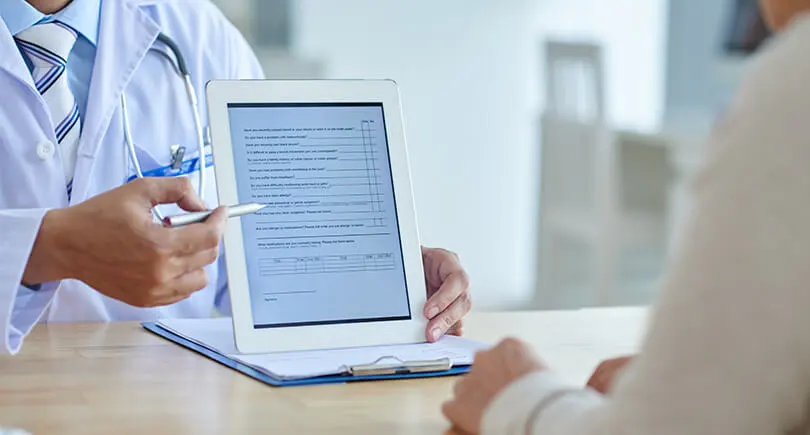
Questions between providers and billers get handled directly inside the EHR. This reduces confusion and improves team communication.
It becomes easier to connect patient care with accurate billing.
Clear Reporting for Better Decisions
Most EHR systems come with dashboards that show trends in claims, coding, denials, and provider performance. This helps you identify errors early and improve your overall workflow.
Better visibility leads to fewer denials.
Ending Remarks
At the end of the day, EHR integration isn’t just a fancy tech upgrade. It’s a smarter way to work. When your clinical data, billing workflows, and health information systems are connected, you get better accuracy, fewer mistakes, and faster payments.
By using integrated billing and medical software integration, practices strengthen compliance, enhance communication, and support the whole revenue cycle.
Frequently Asked Questions
If things are still confusing to you, here are some common answers to your questions about EHR in medical billing.
What is EHR in medical billing?
It is a digital system that stores patient information and connects directly to billing software to improve accuracy.
How does EHR improve billing?
It reduces errors, syncs patient data automatically, and improves coding accuracy.
Does EHR replace coders?
No, it only supports them by providing helpful suggestions.
Will EHR integration reduce claim denials?
Yes, because it improves documentation, reduces manual mistakes, and strengthens the billing workflow.
Is EHR integration worth it for small practices?
Absolutely. It improves accuracy, speeds up payments, and supports better patient care.