There’s no denying it—the healthcare world can feel pretty overwhelming, especially when you start looking into medical billing. The industry is huge, the rules are detailed, and the roles involved can be confusing if you’re new to it. That’s why understanding the basics matters. One of the first terms you’ll come across is the medical billing specialist. Their job might sound simple, but it’s actually one of the most important (and complex) roles in the entire billing process. From simplifying paperwork to translating medical details into billable information, they handle a lot more than most people realize.
If you’re just stepping into this field and want to understand what they really do, you’re in the right place. Let’s talk about what a medical billing specialist actually does—in the simplest way possible.
What Exactly Is a Medical Billing Specialist?
Credit: scitexas.edu
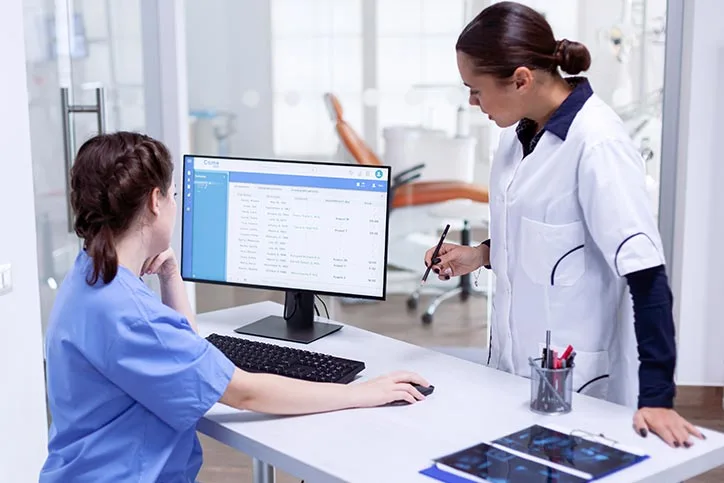
A medical and billing specialist acts as a connector. They’re the link between the patient, the healthcare provider, and the insurance company. When you see a doctor, your visit doesn’t end at checkout. Behind the scenes, someone needs to document what happened, convert it into billing language, and make sure it gets submitted correctly.
That someone is the medical billing specialist.
They handle the flow of information using billing software, making sure every detail is right. At the same time, they help ensure patients aren’t overwhelmed with confusing bills — which is surprisingly important in a busy medical office.
The medical billing specialist role keeps practices running, prevents financial losses, and helps everyone stay on the same page.
Why This Role Matters More Than People Realize
People often forget that healthcare is also a business. Providers need to be paid for the care they give. Patients need clear explanations. Insurance companies need accuracy.
That’s where a medical biller steps in.
Their work ensures:
- Healthcare providers don’t lose income
- Patients get clear, accurate bills
- Claims move smoothly through insurance
- Errors and delays stay minimal
- The revenue cycle stays healthy
The role of an insurance billing specialist is truly indispensable. Without them, the financial side of healthcare would slow to a crawl.
Billing Specialist Roles and Responsibilities
Let’s go into the day-to-day tasks of a medical billing specialist.
Reviewing Patient Information
Credit: sochi.edu
Before a claim is created, the billing specialist double-checks every detail. It’s almost like proofreading a document, but for financial and medical information.
They verify:
- Patient demographics
- Insurance policy details
- Provider information
- Services performed
Small mistakes here create big problems later. That’s why accuracy is a huge part of the medical billing specialist role.
Translating Medical Services Into Codes
Doctors talk in medical terms. Insurance companies talk in code.
That’s where the medical coding & billing specialist shines. They take real-life medical services and convert them into:
- ICD-10 codes (diagnoses)
- CPT codes (procedures)
- HCPCS codes (supplies)
This translation step requires an understanding of medical terminology, payer guidelines, and coding rules. It’s also a core part of the role of a billing & coding specialist.
Preparing and Submitting Claims

Credit: vocal.media
Once everything is coded correctly, the specialist prepares the claim. They organize the details and then submit claims electronically using billing software.
This is where speed and precision matter. Because a clean claim means fewer rejections and faster payments.
Following Up With Insurance Companies
Claims don’t always glide through the system smoothly. That’s why the insurance billing specialist has to follow up.
They track:
- If a claim was accepted
- Whether it’s pending
- If something needs to be corrected
- Whether additional documents are required
This follow-up work is one of the most demanding parts of the billing specialist role.
Handling Denials and Rejections

Credit: stellaradjusting.com
Claims get denied for all sorts of reasons, some simple, some complicated.
A medical biller reviews the denial, understands the reason, corrects the issue, and resubmits it. This process helps the practice recover payments that would otherwise be lost.
Posting Payments
Once payments come through, the certified medical billing specialist posts them to the system.
This keeps:
- Patient balances clearly
- Revenue organized
- Accounting tidy
Good posting habits make life easier for everyone, including providers and accountants.
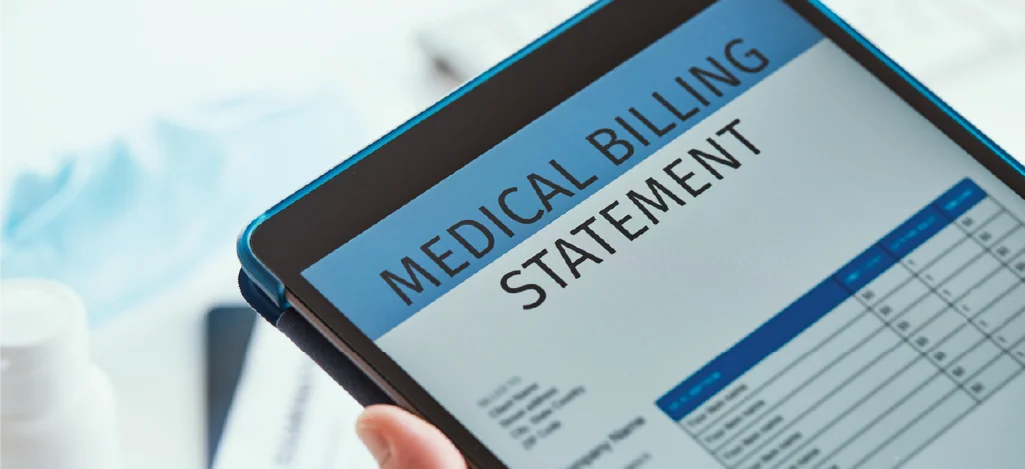
Sending Statements to Patients
Credit: billflash.com
Patients often have questions. They want to know what insurance covered, what remains, and why.
A medical billing specialist prepares:
- Detailed statements
- Payment reminders
- Clear explanations
And yes, this is where strong customer service skills matter. A calm, friendly conversation can go a long way.
Helping Patients With Payment Plans
Some patients need help breaking bills into smaller payments. The certified billing professional walks them through their options and supports them without judgment.
Compassion is just as important as accuracy here.
Protecting Patient Privacy

Credit: hpiinc.com
Medical billers and coders handle sensitive information daily. That means:
- Following HIPAA compliance
- Keeping data secure
- Protecting patient identity
This is a core responsibility in any medical office.
Skills Every Medical Billing Specialist Needs
Great billing specialists combine technical knowledge with human skills.
Technical Skills
- Coding knowledge
- Familiarity with billing systems
- Understanding insurance requirements
- Careful data entry
Soft Skills
- Patience
- Communication
- Organization
- Problem-solving
- Attention to detail
These are the qualities that turn billing workers into strong billing and coding professionals.
Where Medical Billing Specialists Work

Credit: collaboratemd.com
The good news? This career is flexible. A medical and billing specialist can work in:
- Hospitals
- Clinics
- Private practices
- Dental offices
- Specialty centers
- Billing companies
- Insurance companies
- Remote environments
Remote work, especially, is becoming the norm, making this career even more appealing. And as you grow in this field, knowing what can go wrong is just as important as knowing what to do right. TMS Billings shares some helpful insights on the most frequent medical billing mistakes to look out for.
How Billing Specialists Support Healthcare Providers
A medical practice won’t survive without revenue. And revenue depends on accurate billing.
The medical billing specialist role supports providers by:
- Reducing denied claims
- Ensuring fast payments
- Managing all financial details
- Helping practices stay organized
- Reducing administrative stress
They keep the doors open and the business running.
The Future of Medical Billing Specialists
Healthcare is only getting larger and more complex. And that means more demand for skilled billing professionals.
Technology doesn’t replace billing specialists; it enhances them. Automation handles repetitive tasks, but human judgment and accuracy remain essential.
This makes the certified medical billing specialist a valuable and growing career path.
Ending Remarks
In a nutshell, a medical billing specialist is the backbone of healthcare finance. They translate medical services into codes, prepare claims, solve insurance issues, help patients understand their bills, and keep practices financially stable.
Their work ensures accuracy, keeps the revenue cycle steady, and supports the entire healthcare system.
Frequently Asked Questions
And here’s what you still might be wondering about the role of a medical billing specialist in the health industry.
What does a medical billing specialist do?
They manage claims, coding, payments, denials, and patient billing to ensure providers get paid accurately.
Do billing specialists interact with patients?
Yes. They help explain statements, set up payment plans, and answer billing questions.
Do you need coding knowledge?
Yes, especially for roles like medical coding & billing specialist.
Can billing specialists work from home?
Absolutely. Many billing and coding professionals work remotely today.
Why is this job important?
Because without accurate billing, medical practices lose revenue, claims get denied, and the financial side of healthcare breaks down.