
Trust me, folks, technology has revolutionized every industry, and healthcare is no exception. From my own experience, the benefits of technology in healthcare are nothing short of transformative. It’s enabling faster, more accurate diagnoses and delivering more personalized care. As the industry evolves, I’ve seen how technology is improving efficiency, reducing costs, and enhancing patient outcomes. No more manual records or long wait times—technology is streamlining processes, fostering collaboration, and helping healthcare professionals provide faster, better care. The future of healthcare is here, and it’s powered by technology!
Improving Patient Care with Modern Medical Technology
One of the key benefits of technology in healthcare is the significant improvement in patient care. Medical professionals now have access to advanced tools that enable them to make quicker and more accurate diagnoses, often leading to earlier interventions and better outcomes.
Key Technologies Improving Patient Care:
- Telemedicine: Allows doctors to consult with patients remotely, making healthcare more accessible, especially in rural areas.
- Electronic Health Records (EHR): With information technology in healthcare, patient records are digitized, making it easier for healthcare providers to access accurate and up-to-date information instantly.
- Wearable Health Devices: These devices help in monitoring patient’s vitals and chronic conditions, sending data directly to healthcare providers for real-time updates.
These advancements improve efficiency, reduce human error, and empower patients to take control of their health.
Boosting Healthcare Efficiency with Technology Solutions
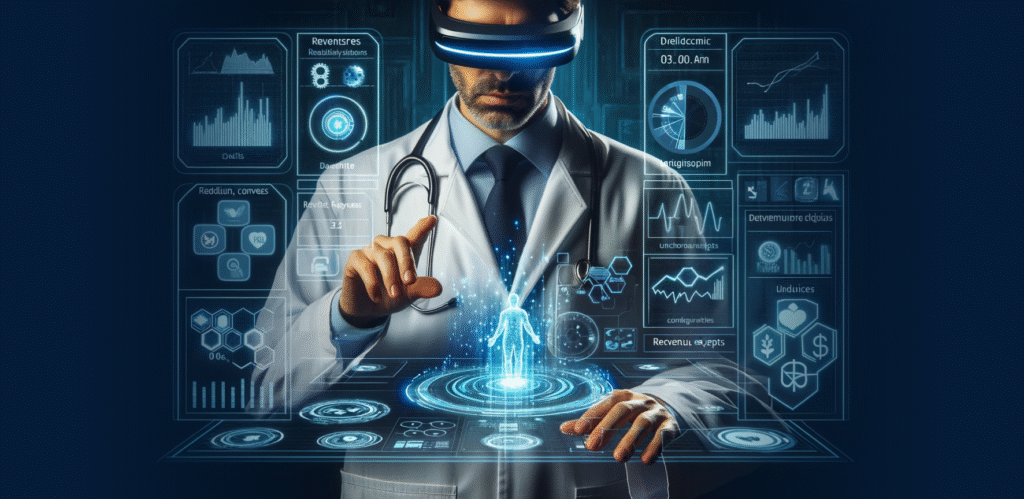
Credit: thoughtful.ai
The role of technology in healthcare goes beyond just improving patient care. It has also drastically increased operational efficiency. Healthcare systems and practices are adopting technology solutions in healthcare to streamline processes, reduce administrative burdens, and improve workflow.
Benefits in Healthcare Management:
- Medical Billing Technologies: The use of computerized medical billing ensures accuracy and reduces the time required to process claims. The incorporation of medical billing tech has simplified the often-complex billing process, leading to faster payments and reduced claim rejections.
- Automation in Healthcare: Automated scheduling, reminders, and patient communications have significantly reduced administrative workload, allowing healthcare workers to focus more on patient care.
- Data Analytics: The analysis of patient data allows hospitals to predict health trends, optimize resource allocation, and improve patient outcomes.
Cost Efficiency Through Technology in Healthcare Management
Technology in healthcare management not only enhances care but also brings significant cost-saving benefits. With the integration of billing tech and medical billing technologies, healthcare providers can avoid costly billing errors and administrative delays.
How Technology Reduces Costs:
- Credentialing Services: By streamlining provider credentialing, technology helps in reducing the time and effort spent on compliance-related tasks. Credentialing services ensure that healthcare providers are properly authorized, eliminating costly mistakes that could arise from ineligible practitioners.
- Accounts Receivable Services: Automating the accounts receivable process helps reduce collection time, improve cash flow, and avoid delays in reimbursement. Explore more about accounts receivable services to understand how automation can benefit your healthcare practice.
The importance of technology in healthcare becomes even clearer when considering the long-term savings that come with the reduction in manual processes and operational inefficiencies.
The Growing Role of Technology in Healthcare
Credit: betanews.com
With medical billing technology advancing rapidly, healthcare providers have more tools than ever to improve not just patient care but also business operations. From sophisticated software for medical billing to technology in healthcare management, the pros and cons of technology in healthcare show that, despite some challenges, the benefits far outweigh the drawbacks.
The Technology Landscape in Healthcare:
- Mobile Health Apps: These apps offer personalized health tracking, medication reminders, and appointment scheduling directly on smartphones.
- Artificial Intelligence (AI): AI is revolutionizing diagnostic procedures by quickly analyzing data and providing predictive insights. This helps doctors make informed decisions faster.
- Blockchain: Securely storing patient data on a blockchain ensures confidentiality and transparency, improving the overall security of medical records.
As modern medical technology continues to evolve, healthcare providers are discovering even more ways to improve patient outcomes while managing costs effectively. For more information on technology in healthcare management, check out this insightful article on the role of technology in healthcare.
What Technology is Used in Healthcare?
There are several types of technology being used in healthcare today. From medical billing tech to telemedicine and wearable health devices, each has its own role to play in creating a more efficient and patient-centered system.
- Cloud Computing: Enables healthcare providers to store and access data securely over the internet, improving collaboration and efficiency.
- Robotic Surgery: Minimizes human error, reduces recovery time, and allows for more precise procedures.
How Does Technology Make Healthcare More Efficient?
Healthcare technology has made healthcare delivery much more efficient. The integration of tools like telemedicine for remote consultations, automated billing systems, and data analytics ensures that everything from patient care to back-office operations runs smoothly.
Key Efficiency Boosters:
- Faster Diagnoses: Technology helps doctors diagnose conditions more accurately and faster, leading to timely interventions.
- Improved Collaboration: Doctors, nurses, and specialists can collaborate more efficiently, thanks to digital health records and communication tools.
Why is Technology So Important in Healthcare?

Credit: news.mit.edu
The importance of technology in healthcare cannot be overstated. As the healthcare system grows more complex, technology offers a way to meet the increasing demands for better, faster, and more accurate care.
Key Points on Technology’s Importance:
- Better Accessibility: Patients have access to their medical records, appointment scheduling, and even virtual consultations with their healthcare providers at their fingertips.
- Enhanced Treatment Precision: Technologies such as AI and robotics allow for highly precise treatments and surgeries.
- Reduced Errors: With automated systems and digital records, the risk of human error is significantly minimized.
Final Word
As you can see, the benefits of technology in healthcare are vast and continue to shape the future of medical care. Embracing these advancements ensures better outcomes for patients and operational efficiency for healthcare providers. If you want to learn more about how technology can optimize your practice, be sure to explore our services on Credentialing and Accounts Receivable Services, and learn about the costs of credentialing here.
For more information on technology in healthcare management, check out this insightful article on the role of technology in healthcare.
Technology is the future of healthcare, and the time to embrace it is now.
FAQ’s
Here’s a look at some of the most frequently asked questions about the benefits of technology in healthcare:
What are the main benefits of technology in healthcare?
The main benefits include improved patient care, increased operational efficiency, cost savings, and enhanced accessibility to healthcare services.
How does technology improve patient care?
Technology improves patient care by providing better diagnostics, enabling remote consultations, and ensuring accurate and timely treatment with the help of advanced medical devices and software.
What is the role of AI in healthcare?
AI in healthcare plays a crucial role in diagnostics, patient monitoring, and drug development. It analyzes large amounts of data quickly and accurately, helping doctors make better decisions.
What technology is used for medical billing?
Medical billing technologies like computerized medical billing systems help reduce human error, streamline the billing process, and accelerate reimbursement cycles.
How can healthcare providers reduce billing errors?
Using medical billing tech such as automated billing software and ensuring proper credentialing services can significantly reduce billing errors and improve claim acceptance rates.