
We all know that medical billing mistakes can lead to denials in healthcare, longer waits for payment, and unnecessary stress. It’s one of those things that can snowball if not caught early. The good news? You don’t have to let these issues control your practice. In this blog, we’ll walk through the common billing errors that cause these problems, explain why they happen, and give you actionable tips on how to avoid them. With a little extra attention and a few simple steps, you can keep your billing process running smoothly and your payments flowing without a hitch.
Why It Matters
Medical billing errors are often the hidden culprits behind payment delays. Billing mistakes can cost your practice time, money, and stress. Medical billing examples show how small mistakes can snowball into larger problems, leading to denials in healthcare. Not only does it affect your cash flow, but it also impacts your relationship with patients. By understanding what common errors can prevent clean claims, you’ll improve your process and avoid unnecessary issues down the road.
Let’s walk through the top medical billing mistakes and figure out how to fix them together.
Mistake #1: Incorrect Patient or Insurance Information
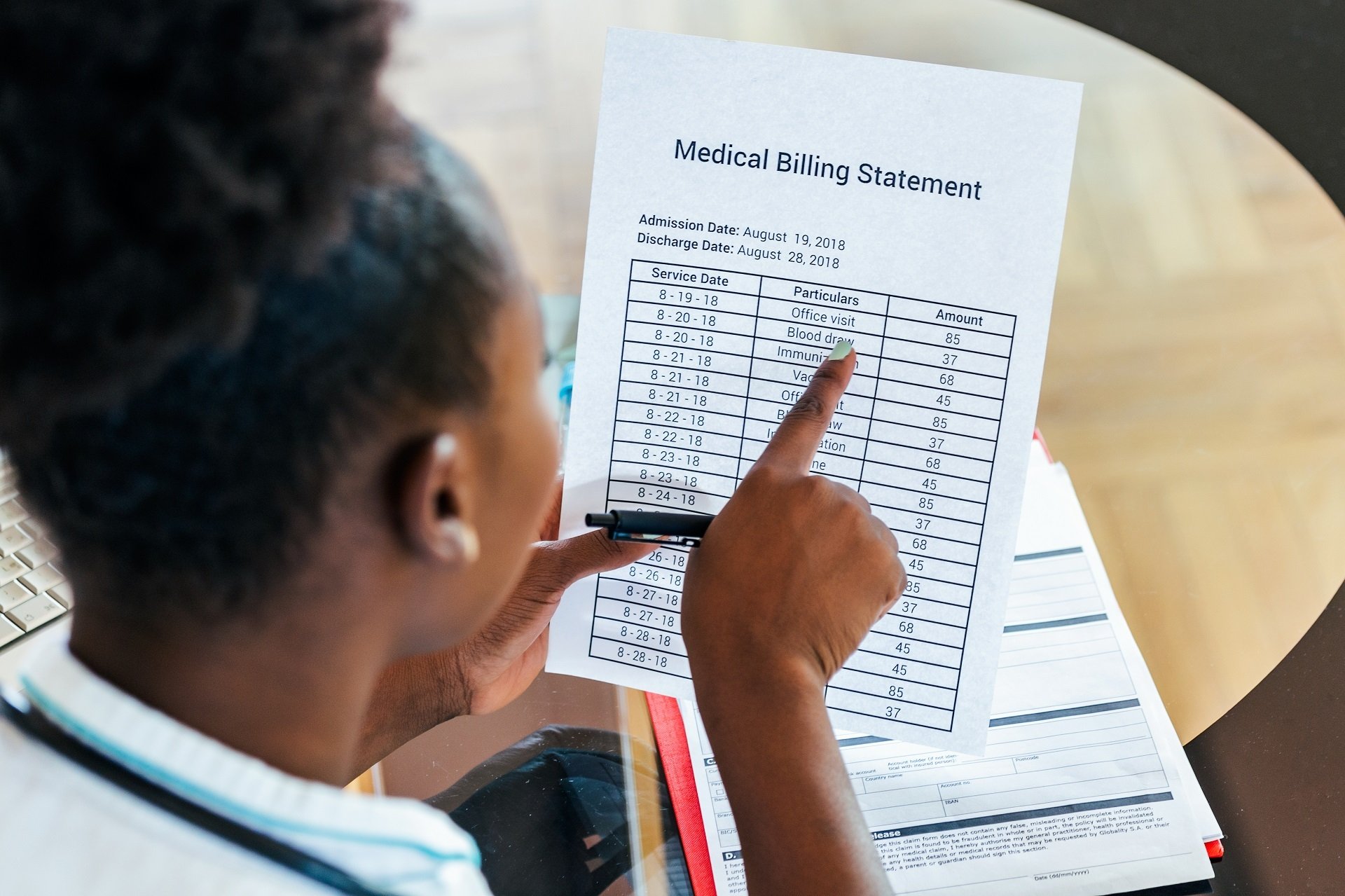
Credit: medicalbillinganalysts.com
One of the most common medical billing mistakes occurs right at the start: incorrect patient or insurance details. Whether it’s a misspelled name, incorrect date of birth, or outdated insurance ID, these errors can trigger denials in healthcare, causing you to lose time and revenue.
How to avoid it
- At check-in, always verify the patient’s full name, date of birth, and insurance policy number.
- Double-check that the patient’s insurance is still active and up-to-date.
- Use real-time tools or software that validate insurance eligibility.
- Encourage staff to ask, Has anything changed since your last visit?
Getting this info right from the start can save you a lot of hassle later. By the way, if you’re curious about medical billing costs and what to expect in 2025, take a look at our breakdown of medical billing pricing. It’ll give you a clearer idea of what goes into your billing expenses.
Mistake #2: Missing or Incorrect Pre-Authorizations
Some services require prior approval from the insurance company. If this step is missed or done incorrectly, it can lead to medical billing errors. What common errors can prevent clean claims? Failing to get the proper pre-authorization can result in claim rejection.
How to avoid it
- Check ahead of time: Know which services require pre-authorization before the patient arrives.
- Have a dedicated team member to manage and track pre-authorizations.
- Document every detail: date, reference number, and who approved the authorization.
- If unsure, always confirm with the insurance company.
By staying on top of this, you’ll reduce common billing errors and avoid unnecessary delays.
Mistake #3: Coding Errors (Wrong Codes, Missing Modifiers)

Credit: unislink.com
Medical coding services are a critical part of the billing process. Using the wrong code or missing a modifier can lead to incorrect claims and medical billing errors, statistics that show an uptick in denials. Even small mistakes, like missing a modifier or using the wrong code, can cause denials in healthcare.
How to avoid it
- Keep up-to-date coding resources available and easily accessible.
- Regularly train your coders on new code updates and the specifics of your specialty.
- Use software tools that can flag missing or incorrect modifiers.
- Audit your claims periodically to ensure the codes are accurate.
Correctly coding claims ensures you get paid for the services you provide and reduces the chances of denials in healthcare.
Mistake #4: Poor Documentation
Without clear documentation, even the most accurate codes won’t help you get paid. Medical billing errors often arise because the service rendered isn’t well-documented or supported by the provider’s notes. Documentation is key to proving that services were medically necessary.
How to avoid it
- Ensure your providers’ notes are detailed and match the services you plan to bill for.
- Use templates to guide providers in documenting everything that’s necessary for billing.
- Train your team to review charts before submission, ensuring no details are missing.
Good documentation backs up your claim and reduces the chances of a rejected or delayed payment. And hey, if you’re fed up with poor documentation practices and all the headaches that come with it, our medical billing services might be the solution you need. We can help streamline the process and make sure everything is handled right from the start.
Mistake #5: Submitting Claims Late or Missing Deadlines

Credit: yourlargelossadjuster.com
Timely filing is crucial in the billing world. If claims are submitted late, it doesn’t matter how accurate they are; they won’t get paid. Inconsistent billing practices and missing deadlines result in unnecessary billing errors.
How to avoid it
- Set a process to submit claims as soon as possible after services are rendered.
- Track your claims closely to ensure they’re submitted within the allowable time.
- Use automated reminders or billing software to notify you of upcoming deadlines.
- Be aware of the specific deadlines for different insurance providers.
By submitting your claims on time, you’ll improve your medical billing services and ensure you’re not missing out on revenue.
Mistake #6: Duplicate Billing
Billing the same service twice, or charging for something that wasn’t actually done, can lead to audits, financial penalties, or loss of patient trust. Unfair medical billing practices like this can also severely damage your reputation.
How to avoid it
- Use software tools to flag duplicate charges before submission.
- Cross-check the services provided to ensure they haven’t already been billed.
- If multiple providers are involved, have a system in place to track what’s been billed.
Being diligent here helps avoid problems like duplicate billing and ensures you’re only billing for services rendered.
Mistake #7: Wrong Payer / Coverage Assumptions

Credit: neolytix.com
Assuming the patient’s insurance is still active or assuming a service is covered can result in claim rejections. Common medical billing errors happen when insurance coverage isn’t verified before the service is rendered.
How to avoid it
- Always verify insurance at the time of check-in.
- Use real-time eligibility tools to verify the patient’s coverage before proceeding.
- Ask patients about any recent changes to their insurance.
- Keep updated records of insurance status in the patient’s file.
Verifying insurance coverage ensures that your claims will be submitted to the right payer and are less likely to face denials.
Mistake #8: Billing Security & Compliance Mistakes
Unfair medical billing practices often involve breaches of patient confidentiality or mishandling of sensitive data. Following HIPAA regulations and ensuring secure data handling are essential to protecting your practice from legal issues and fines.
How to avoid it
- Ensure your billing software uses encryption to protect sensitive data.
- Limit access to billing records to authorized personnel only.
- Train your team regularly on privacy policies and HIPAA compliance.
- Conduct periodic audits to check that security practices are being followed.
Keeping patient data secure helps you avoid the risk of non-compliance and protects your reputation.
Mistake #9: Neglecting Denial Management

Credit: blog.curemd.com
Denials in healthcare are a major source of frustration for many practices. If you don’t track and address denied claims promptly, you’re letting money slip away. How to report incorrect medical billing starts with a system to manage denials efficiently.
How to avoid it
- Keep a record of all denied claims and the reason behind them.
- Set up a denial management process to follow up and resolve issues quickly.
- Learn from the denials and tweak your process to avoid recurring mistakes.
- Monitor how long it takes to resolve denials, and prioritize follow-ups.
By addressing denials promptly, you can reduce the number of denied claims and keep your cash flow steady.
Mistake #10: Underbilling (“Quiet Leakage”)
Underbilling is when you miss charging for services rendered or fail to capture all the procedures performed. This can quietly lead to lost income for your practice. Medical billing pricing might be competitive, but underpricing your services is a costly mistake.
How to avoid it
- Regularly audit your billing logs to make sure everything is captured.
- Implement charge capture systems to ensure no service goes unbilled.
- Review all billing items to ensure everything from follow-up visits to supplies is included.
- Train your staff to recognize when something has been overlooked.
Catching every charge helps you maintain a healthy revenue stream and ensures your practice gets paid fairly for all services.
Bringing it All Together: Your Action Plan
Alright — we’ve covered the major mistakes. Here’s a quick plan to avoid them:
- Front desk & registration check: Always verify patient details and insurance.
- Pre-service authorization review: Ask: Does this need pre-authorization?
- Provider documentation oversight: Ensure clear, complete notes that match the service.
- Coder/biller workflow: Regular training, use audits, and check modifiers.
- Claim submission routine: Submit claims on time and track them carefully.
- Denial monitoring: Track and address denied claims promptly.
- Charge capture check: Regularly review for missed charges.
- Security/compliance: Follow privacy rules and keep data secure.
Final Thoughts
Medical billing mistakes are usually small, but they add up. By taking the time to double-check the basics and stay organized, you can avoid these common billing errors. With the right processes in place, you can reduce denials in healthcare, speed up your revenue cycle, and spend more time focusing on patient care.
Thanks for reading, and here’s to smoother billing and more efficient practices!
Frequently Asked Questions
Here’s what you need to know about medical billing mistakes.
How can I avoid coding errors?
Make sure your coders are regularly trained, use up-to-date references, and double-check each code before submission.
What should I do if a claim is denied?
Identify the reason for the denial, correct the error, and resubmit the claim promptly. Set up a system for tracking denied claims.
How can I reduce underbilling?
Review your service logs regularly, check that every procedure or service is accounted for, and ensure that follow-ups and tests are billed.
How often should I verify a patient’s insurance information?
Verify it at every visit. Insurance coverage can change frequently, so it’s important to keep this information up-to-date.
How do I protect patient billing information?
Use secure billing systems, limit access to authorized staff, and train everyone on privacy policies and HIPAA regulations.